Skip to content

You are using an outdated browser. Please upgrade your browser to improve your experience.

Tickets for Mote Science Education Aquarium are selling quickly. To guarantee entry, purchase both general admission & member tickets online in advance.
Mote Marine Laboratory & Aquarium logo
  • Research
    • See All Research Programs
      • Browse All Programs
    • Menu Container
      • Areas of Research
        • Biomedical & Technology Development
        • Conservation, Restoration & Monitoring
        • Coral Reef Ecosystems
        • Environmental Health
        • Fisheries & Aquaculture
        • Marine Animal Rescue & Rehabilitation
      • Research Campuses
        • Sarasota
        • Mote Aquaculture Research Park
        • Florida Keys
      • Research Resources
        • Mote Staff
        • Research Library & Archives
        • Environmental Updates & Local Challenges
        • Internships
        • Protect Our Reefs Grant
        • Postdoctoral Research Fellowship Program
  • Visit
    • Explore Mote
      • Mote SEA — new Aquarium
    • Menu Container
      • Aquarium
        • Mote SEA — new Aquarium
        • All Visitor Locations
        • Animal Encyclopedia
        • Animal Patients
        • Adopt an Animal
        • Gift Guide
      • Experiences
        • Kayaking Programs
        • Kids & Families
        • Schools & Groups
        • Eco Boat Tours
        • Behind the Science Tours
      • Events
        • Event Calendar
        • Signature Events
        • Host an Event
        • Weddings & Proposals
        • Birthday Parties
  • Education
    • Attend Education Events
      • Explore Events
    • Menu Container
      • Sarasota Area Programs
        • Schools & Groups
        • Kids & Families
        • College & Adults
        • Virtual Learning
        • Behind the Science Tours
      • Florida Keys Programs
        • Schools & Groups
        • Kids & Families
        • College & Adults
        • Virtual Learning
      • Education Resources
        • Animal Encyclopedia
        • Internships
        • Resources for Teachers
  • Support
    • Donate to Mote today
      • Donate now
    • Menu Container
      • Giving
        • Become a Change Maker
        • Become a Corporate Partner
        • Shop to Support
        • Memorials & Tributes
        • Planned Giving
        • Other Ways to Give
      • Get Involved
        • Membership
        • Volunteer
        • Citizen Science
        • Create a Facebook Fundraiser
        • Buy a License Plate
        • Adopt an Animal
      • Signature Events
        • All Signature Events
        • Oceanic Evening
        • Mote-ivational Science Lectures
        • The Black and White Party
        • Farm to Fillet
        • Run for the Turtles
  • About
    • Sea What We're Up To
      • Environmental Updates
    • Menu Container
      • About Mote
        • Mission & Vision
        • History of Mote
        • Leadership
        • Staff & Board Members
        • Reports & Financials
      • Connect
        • Contact us
        • All Mote Locations
        • News
        • Press Room
      • Join Our Team
        • Employment Opportunities
        • Internships
        • Postdoctoral Research Fellowship Program
        • Volunteer Opportunities
Donate Tickets

Popular Searches

  • Red Tide
  • Coral Restoration
  • Sharks
  • Sea Turtles
  • Manatees
  • Climate Change

Search Results

137 results for ‘Climate Change’

Publications

Bleaching causes loss of disease resistance within the threatened coral species Acropora cervicornis

https://doi.org/10.7554/eLife.35066

Determining the adaptive potential of foundation species, such as reef-building corals, is urgent as the oceans warm and coral populations decline. Theory predicts that corals may adapt to climate change via selection on standing genetic...

Publications

Incorporation of Acoustic Sensors on a Coastal Ocean Monitoring Platform for Measurements of Biological Activity

https://doi.org/10.4031/MTSJ.52.3.9

Ocean observing stations have mainly focused on data collection of physical parameters measured in the ocean and atmosphere and also, to some extent, of biogeochemical parameters. Robust sensors capable of measuring biological data...

Publications

Extensive transcriptional variation poses a challenge to thermal stress biomarker development for endangered corals

https://doi.org/10.1111/mec.14517

As climate changes, sea surface temperature anomalies that negatively impact coral reef organisms continue to increase in frequency and intensity. Yet, despite widespread coral mortality, genetic diversity remains high even in those...

Publications

Microfragmenting for the successful restoration of slow growing massive corals

https://doi.org/10.1016/j.ecoleng.2018.08.017

Slow growing, massive stony corals have often been overlooked in reef-restoration activities, despite their resilience to climate change and contribution to reef framework. Techniques to effectively propagate and outplant these species...

Staghorn Coral Outplants Near Key West
Animal Encyclopedia

Staghorn coral

https://mote.org/animal-encyclopedia/staghorn-coral/

Staghorn coral is golden yellow-tan in color. Its branches resemble antlers, stemming from a central stump and reaching outwards. Once a dominant species in Caribbean coral reefs, staghorn coral has faced significant declines due...

News

Mote Marine Laboratory Awarded NSF Grant for AI-Driven Marine Animal Tracking Project

https://mote.org/news/mote-marine-laboratory-awarded-nsf-grant-for-ai-driven-marine-animal-tracking-project/

Mote Marine Laboratory is pleased to announce that it has been awarded a substantial grant from the U.S. National Science Foundation (NSF) and the Paul G. Allen Family Foundation to support an innovative...

Publications

Inconspicuous, recovering, or northward shift: status and management of the white shark (Carcharodon carcharias) in Atlantic Canada

https://doi.org/10.1139/cjfas-2020-0055

Although white sharks (Carcharodon carcharias) have been considered rare in Atlantic Canada waters, recent sighting records indicate a potentially increasing presence. We combine historical to present sighting data with satellite telemetry...

Publications

The tolerance of juvenile stone crabs to hypoxia: Size matters

https://doi.org/10.1016/j.jembe.2019.151269

Over the last fifty years, anthropogenic activities have increased nutrient loading into coastal habitats causing more frequent hypoxic events. Global climate change is expected to increase the frequency and severity of hypoxic conditions...

Publications

Extending the natural adaptive capacity of coral holobionts

https://doi.org/10.1038/s43017-021-00214-3

Anthropogenic climate change and environmental degradation destroy coral reefs, the ecosystem services they provide, and the livelihoods of close to a billion people who depend on these services. Restoration approaches to increase...

Publications

First description of migratory behavior of humpback whales from an Antarctic feeding ground to a tropical calving ground

https://doi.org/10.1186/s40317-021-00266-8

Background: Despite exhibiting one of the longest migrations in the world, half of the humpback whale migratory cycle has remained unexamined. Until now, no study has provided a continuous description of humpback whale migratory behavior...

Publications

A systematic review of how multiple stressors from an extreme event drove ecosystem-wide loss of resilience in an iconic seagrass community

https://doi.org/10.3389/fmars.2019.00455

A central question in contemporary ecology is how climate change will alter ecosystem structure and function across scales of space and time. Climate change has been shown to alter ecological patterns from individuals to ecosystems,...

Publications

A roadmap to integrating resilience into the practice of coral reef restoration

https://doi.org/10.1111/gcb.16212

Recent warm temperatures driven by climate change have caused mass coral bleaching and mortality across the world, prompting managers, policymakers, and conservation practitioners to embrace restoration as a strategy to sustain coral...

Publications

Caribbean king crab larvae and juveniles show tolerance to ocean acidification and ocean warming

https://doi.org/10.1007/s00227-022-04053-8

Coastal habitats are experiencing decreases in seawater pH and increases in temperature due to anthropogenic climate change. The Caribbean king crab, Maguimithrax spinosissimus, plays a vital role on Western Atlantic reefs by grazing...

Publications

Energetic connectivity of diverse elasmobranch populations- implications for ecological resilience

https://doi.org/10.1098/rspb.2023.0262

Understanding the factors shaping patterns of ecological resilience is critical for mitigating the loss of global biodiversity. Throughout aquatic environments, highly mobile predators are thought to serve as important vectors of energy...

Publications

Restoration of herbivory on Caribbean coral reefs are fishes urchins or crabs the solution

https://doi.org/10.3389/fmars.2024.1329028

That coral reefs are in decline worldwide, particularly in the Caribbean, will come as no surprise. This decades-long decline has reached a potential tipping point as the weight of the effects of climate change have come decidedly...

Publications

Sustainable investing in protected areas and biodiversity: Key enabling conditions in policy, law and institutions

https://doi.org/10.2305/WFBE7266

The need for increased investments in biodiversity and protected areas is not new. Yet, the magnitude of the threat to the wellbeing of current and future generations posed by unsustainable economic models has gained greater prominence...

Mote Staff

Barbara Lausche

https://mote.org/staff/barbara-lausche/

 Director, Marine Policy Institute at Mote Marine Laboratory and Aquarium, Sarasota, Florida, USA (since 2011). A number of MPI projects involve collaborations with the International Union for Conservation of Nature (IUCN, an...

Mote Staff

Sheyla Ravelo Perez

https://mote.org/staff/sheyla-ravelo-perez/

Sheyla was born in San Antonio de los Baños, Cuba, and is a proud alumna of the University of Florida. In May 2024, she joined Mote Marine Laboratory as an Education Specialist II, where she contributes to the development of new...

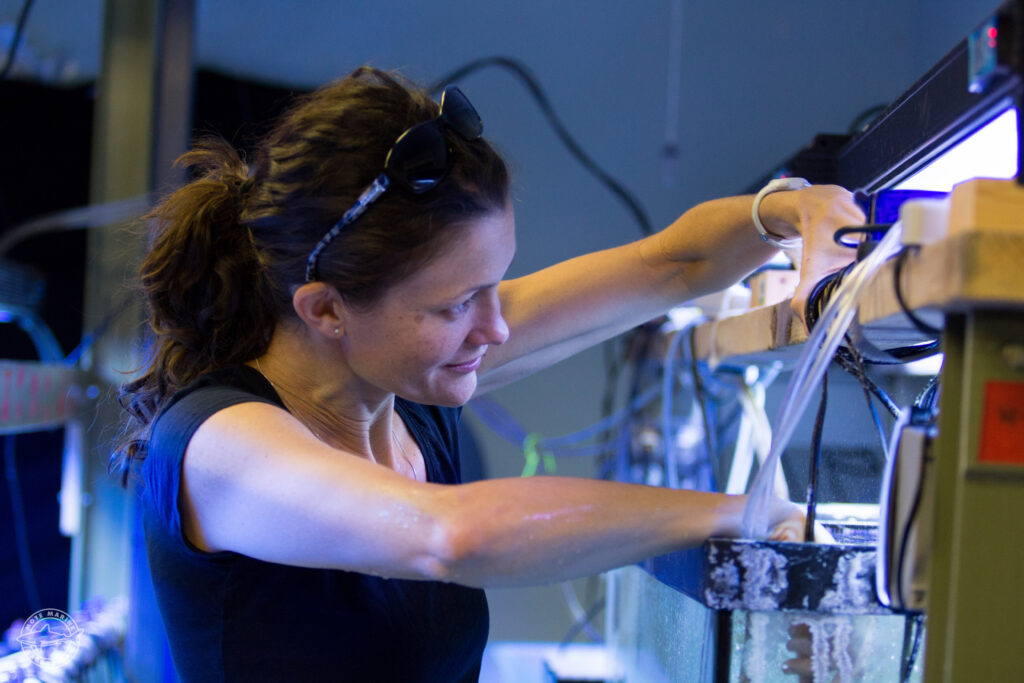
A man works amidst several tanks of corals.
Mote Locations

CAOS System

https://mote.org/location/summerland-key-lab/caos-system/

About the CAOS System The Climate and Acidification Ocean Simulator (CAOS) System at Mote Marine Laboratory's Elizabeth Moore International Center for...

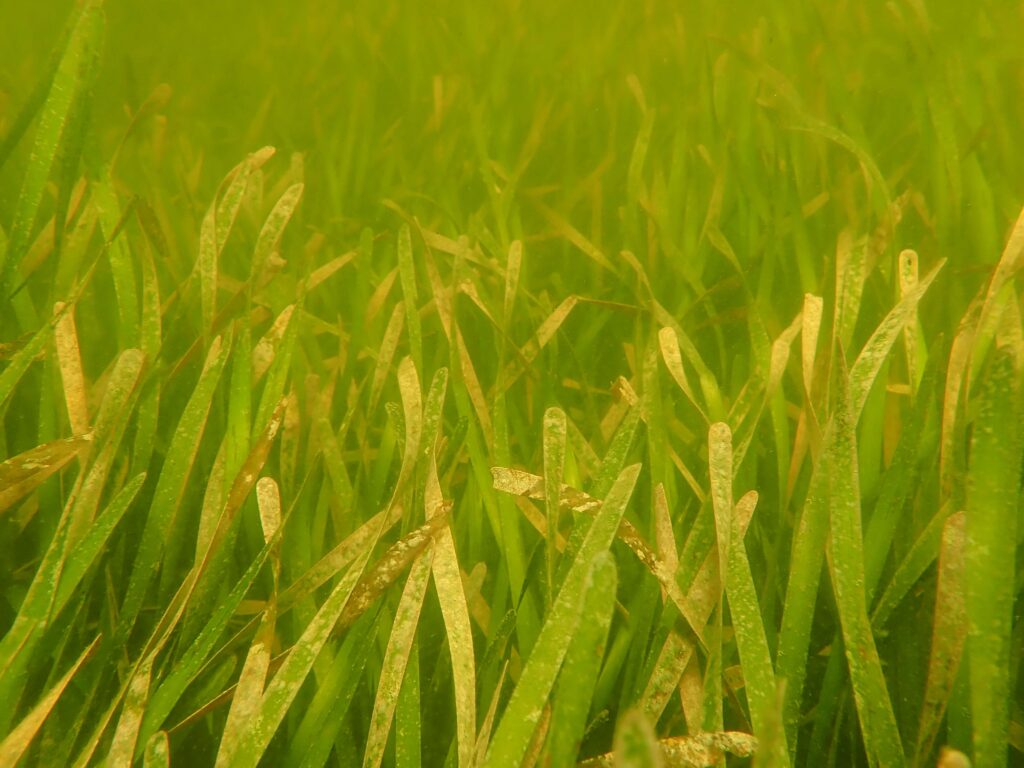
Green seagrass waving underwater.
Research Programs

Seagrass Ecosystem Restoration Research Program

https://mote.org/research/program/seagrass-restoration-research/

Seagrass is critically important to the ecology and economy of coastal ecosystems, serving vital functions for various fisheries, nursery habitats for a variety of keystone species, shoreline/sediment stabilization, absorbing nutrients,...

Internships

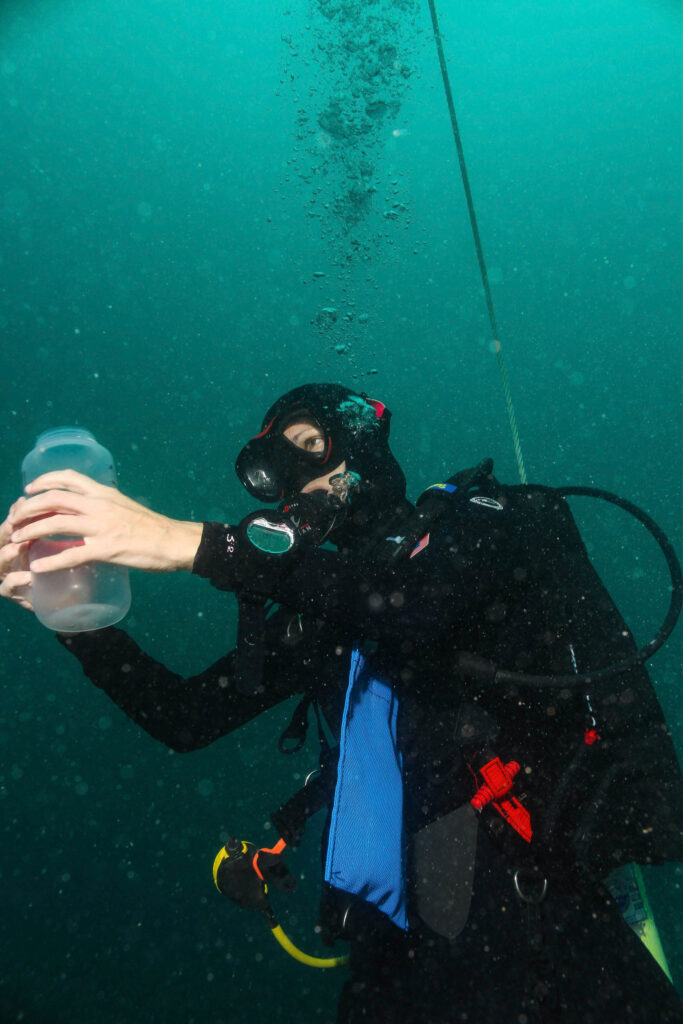
Ocean Acidification Program REU

https://mote.org/internships/research-experiences/nsf/ocean-acidification/

Ocean Acidification Program REU Internship Mentor: Dr. Emily Hall The Ocean Acidification...

Mote's Dr. Emily Hall collects a water sample at depth.
Internships

Ocean Acidification Internship (Keys)

https://mote.org/internships/college/ocean-acidification-keys/

Ocean Acidification Internship The Ocean Acidification Program at Mote was created to research and understand responses of ecologically important species...

Mote's Dr. Emily Hall collects a water sample at depth.
Internships

Ocean Acidification Internship (Sarasota)

https://mote.org/internships/college/ocean-acidification/

Ocean Acidification Internship The Ocean Acidification Program at Mote was created to research and understand responses of ecologically important species...

Research

2019 Fisheries Enhancement Symposium Outcomes

https://mote.org/research/2019-fisheries-enhancement-symposium-outcomes/

Symposium Overview

Research

Deep Thoughts Blog: Exploring blue holes

https://mote.org/research/deep-thoughts-blog/

Introduction In September 2020, scientists undertook one of their deepest and most challenging missions yet into the Gulf of Mexico’s blue holes—underwater caves, springs and sinkholes being explored for their unique...

Mote Staff

Dr. Sumit Chakraborty

https://mote.org/staff/dr-sumit-chakraborty/

Sumit joined the Mote Phytoplankton Ecology group in February 2018. Sumit is interested in fine scale phytoplankton dynamics and the role of phytoplankton in the ocean carbon cycle and quantitative understanding of the perturbations...

Mote Staff

Dr. Emily Hall

https://mote.org/staff/dr-emily-hall/

Dr. Emily Hall joined the staff at Mote Marine Laboratory in the Chemical Ecology Program in 2005 where she was most involved with research and monitoring of nutrient patterns in relation to harmful algal blooms in the west-central...

Publications

Long-term maintenance of a heterologous symbiont association in Acropora palmata on natural reefs

https://doi.org/10.1038/s41396-022-01349-x

The sensitivity of reef-building coral to elevated temperature is a function of their symbiosis with dinoflagellate algae in the family Symbiodiniaceae. Changes in the composition of the endosymbiont community in response to thermal...

Publications

Stressing over the Complexities of Multiple Stressors in Marine and Estuarine Systems

https://doi.org/10.34133/2022/9787258

Aquatic ecosystems are increasingly threatened by multiple human-induced stressors associated with climate and anthropogenic changes, including warming, nutrient pollution, harmful algal blooms, hypoxia, and changes in CO2 and pH....

Publications

Active acoustic surveys reveal coastal fish community resistance to an environmental perturbation in South Florida

https://doi.org/10.7717/peerj.14888

Coastal fish communities are under increasing levels of stress associated with climate variation and anthropogenic activities. However, the high degree of behavioral plasticity of many species within these communities allow them to...

Posts navigation

1 2 3 4 5
Mote Marine Laboratory & Aquarium logo

Contact

Mote SEA (public aquarium)

225 University Town Center Drive
Sarasota, FL 34243

(941) 388-MOTE

Other locations & hours

Links

  • Careers
  • Publications
  • Press Room

Stay Connected

"*" indicates required fields

This field is for validation purposes and should be left unchanged.
This field is hidden when viewing the form
Type your first and last name
This field is hidden when viewing the form
Hidden field that tells our Salesforce account where this entry came from
Charity Navigator Four-Star rating logo

A 501(c)3 nonprofit organization

Designed and built by BigSea.co

  • Facebook link
  • Tiktok link
  • LinkedIn link
  • Twitter link
  • Instagram link

©2026 Mote Marine Laboratory & Aquarium. All rights reserved.

  • Terms & Conditions
  • Privacy Policy
  • Accessibility
  • Careers
  • Research
    • See All Research Programs
      • Browse All Programs
    • Menu Container
      • Areas of Research
        • Biomedical & Technology Development
        • Conservation, Restoration & Monitoring
        • Coral Reef Ecosystems
        • Environmental Health
        • Fisheries & Aquaculture
        • Marine Animal Rescue & Rehabilitation
      • Research Campuses
        • Sarasota
        • Mote Aquaculture Research Park
        • Florida Keys
      • Research Resources
        • Mote Staff
        • Research Library & Archives
        • Environmental Updates & Local Challenges
        • Internships
        • Protect Our Reefs Grant
        • Postdoctoral Research Fellowship Program
  • Visit
    • Explore Mote
      • Mote SEA — new Aquarium
    • Menu Container
      • Aquarium
        • Mote SEA — new Aquarium
        • All Visitor Locations
        • Animal Encyclopedia
        • Animal Patients
        • Adopt an Animal
        • Gift Guide
      • Experiences
        • Kayaking Programs
        • Kids & Families
        • Schools & Groups
        • Eco Boat Tours
        • Behind the Science Tours
      • Events
        • Event Calendar
        • Signature Events
        • Host an Event
        • Weddings & Proposals
        • Birthday Parties
  • Education
    • Attend Education Events
      • Explore Events
    • Menu Container
      • Sarasota Area Programs
        • Schools & Groups
        • Kids & Families
        • College & Adults
        • Virtual Learning
        • Behind the Science Tours
      • Florida Keys Programs
        • Schools & Groups
        • Kids & Families
        • College & Adults
        • Virtual Learning
      • Education Resources
        • Animal Encyclopedia
        • Internships
        • Resources for Teachers
  • Support
    • Donate to Mote today
      • Donate now
    • Menu Container
      • Giving
        • Become a Change Maker
        • Become a Corporate Partner
        • Shop to Support
        • Memorials & Tributes
        • Planned Giving
        • Other Ways to Give
      • Get Involved
        • Membership
        • Volunteer
        • Citizen Science
        • Create a Facebook Fundraiser
        • Buy a License Plate
        • Adopt an Animal
      • Signature Events
        • All Signature Events
        • Oceanic Evening
        • Mote-ivational Science Lectures
        • The Black and White Party
        • Farm to Fillet
        • Run for the Turtles
  • About
    • Sea What We’re Up To
      • Environmental Updates
    • Menu Container
      • About Mote
        • Mission & Vision
        • History of Mote
        • Leadership
        • Staff & Board Members
        • Reports & Financials
      • Connect
        • Contact us
        • All Mote Locations
        • News
        • Press Room
      • Join Our Team
        • Employment Opportunities
        • Internships
        • Postdoctoral Research Fellowship Program
        • Volunteer Opportunities