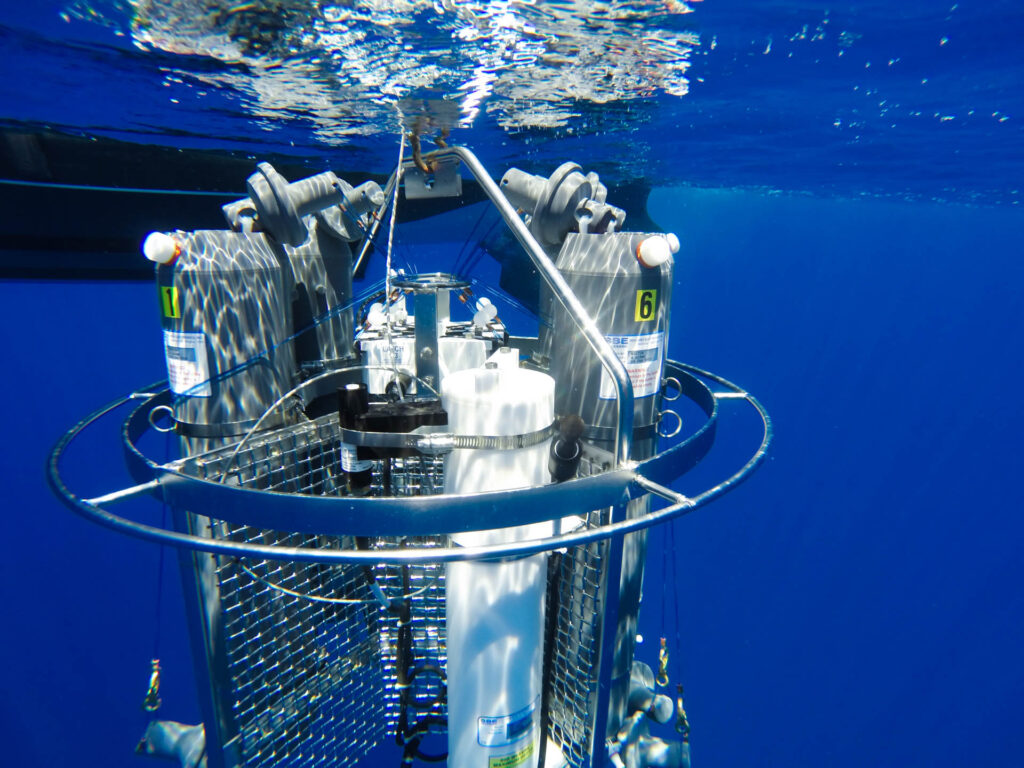
Environmental Health Internship
Environmental Health Internship The Environmental Health Research Program combines research with public outreach through investigating how human...
You are using an outdated browser. Please upgrade your browser to improve your experience.

258 results for ‘Red Tide’
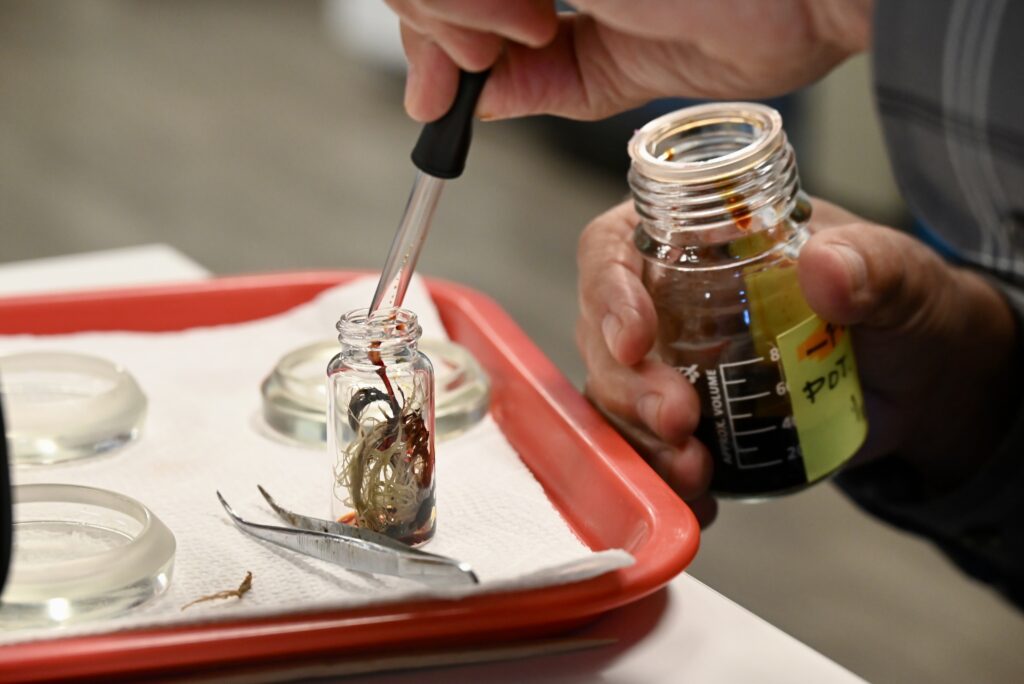
Environmental Health Internship The Environmental Health Research Program combines research with public outreach through investigating how human...
Back to our Research Library • Back to Archival Collections About The Collection Mote...

06/12/2023 Turtle was found floating 50 yards from shore off Gulf of Mexico Dr. on Longboat Key, Sarasota County. He had blood work done and was given subcutaneous fluids. "Odin" is dry-docked overnight due...

06/27/2023 Turtle was found washing ashore off Manasota Key Road, Englewood. Animal is showing signs of possible red tide toxcitiy even though there's only low levels present in the Gulf at this time. She had...

06/22/2023 Turtle was found floating 100 yards off shore of the Sanibel Lighthouse in Lee County. Animal was transferred by Sanibel-Captiva Conservation Foundation to Mote for medical assesment and rehabilitation. She...

03/30/2023 Turtle was found floating on the south end of Naples Bay, east of Cutlass Lane in Naples, Collier County. Turtle was transported to Mote was started on injectable antibiotics and subcutaneous fluids...
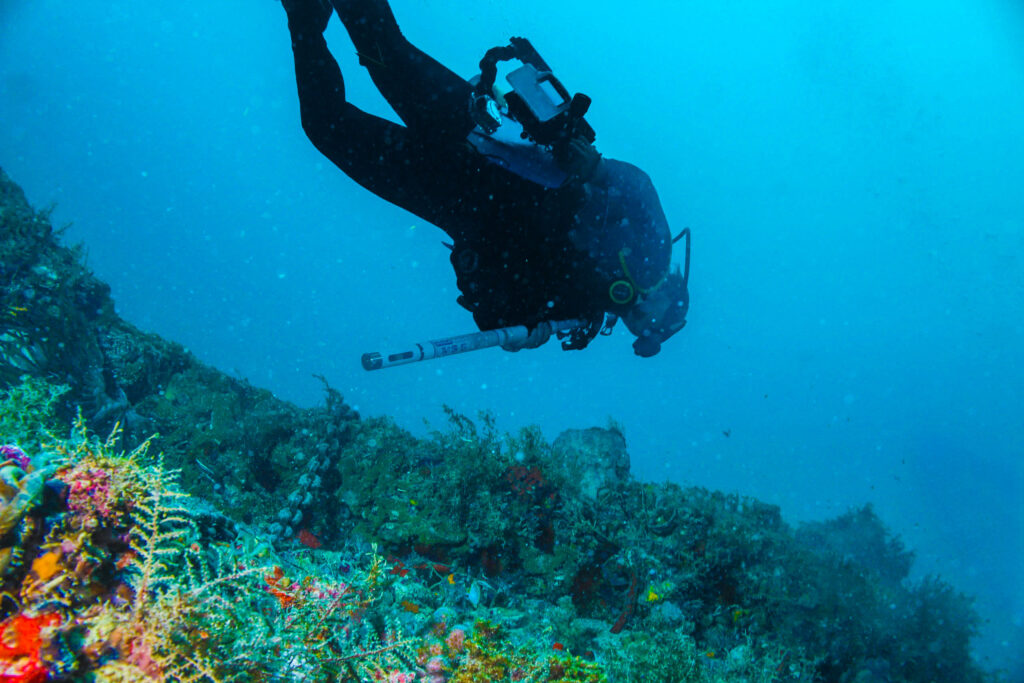
Introduction In September 2020, scientists undertook one of their deepest and most challenging missions yet into the Gulf of Mexico’s blue holes—underwater caves, springs and sinkholes being explored for their unique...
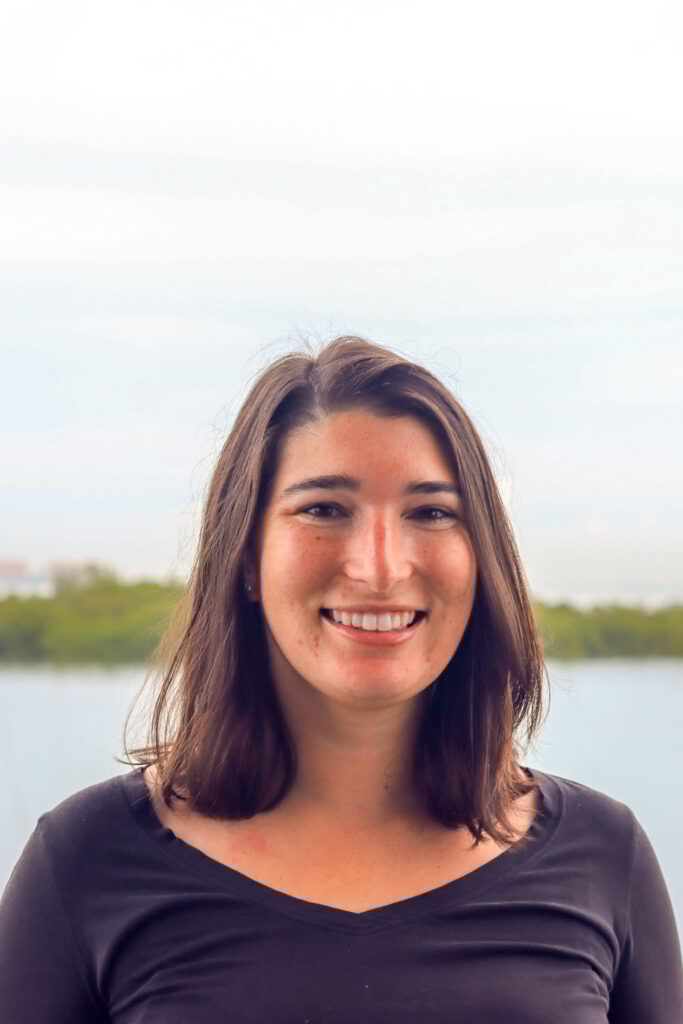
Jess joined Mote after completing her Master's degree focusing on the element radium and fluid residence times in hydrothermal systems (i.e., deep-sea hot-springs). Her previous research has larger implications for microbial organisms...
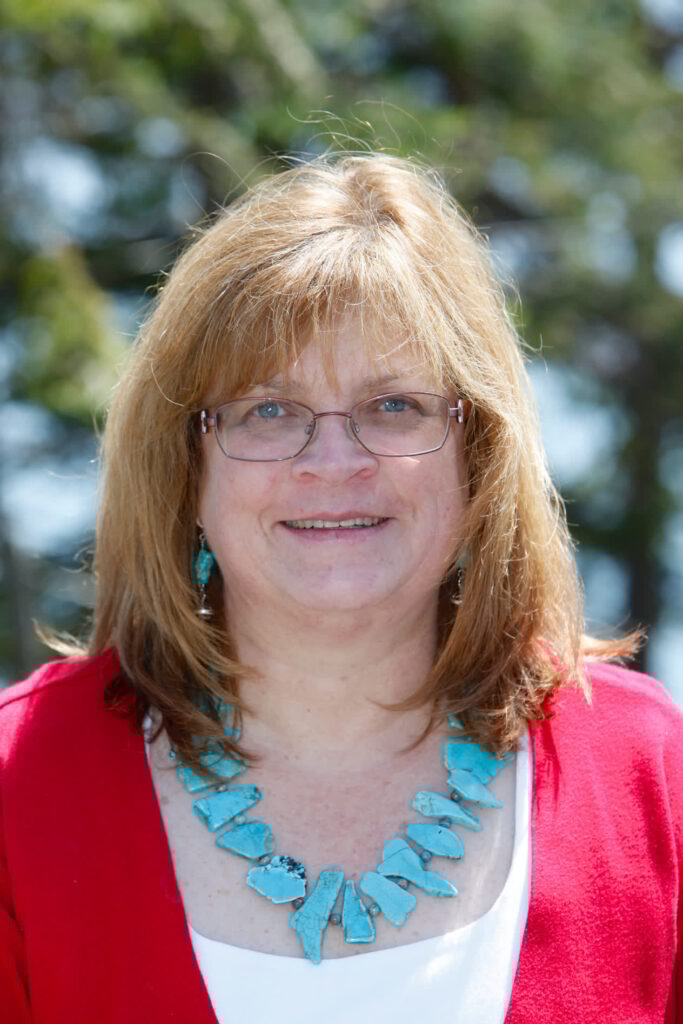
Cynthia Heil is a Senior Scientist and Director of Mote Marine Laboratory’s Red Tide Institute where her research focuses on the monitoring and mitigation of Florida red tide and the ecology and management of marine and freshwater...
Harmful algal blooms (HABs) of the toxic marine dinoflagellate Karenia brevis, commonly called red tides, are an ongoing threat to human health and marine ecosystems in Florida. Clay flocculation is a standard control strategy for...
The adverse economic impacts of harmful algal blooms can be mitigated via tailored forecasting methods. Adequate provision of these services requires knowledge of the losses avoided, or, in other words, the economic benefits they generate....
The stone crab, Menippe mercenaria, supports a commercial fishery along Florida’s Gulf coast where harmful algae blooms, known as red tides (Karenia brevis) develop. Red tides occur nearly annually and can overlap with the stone...
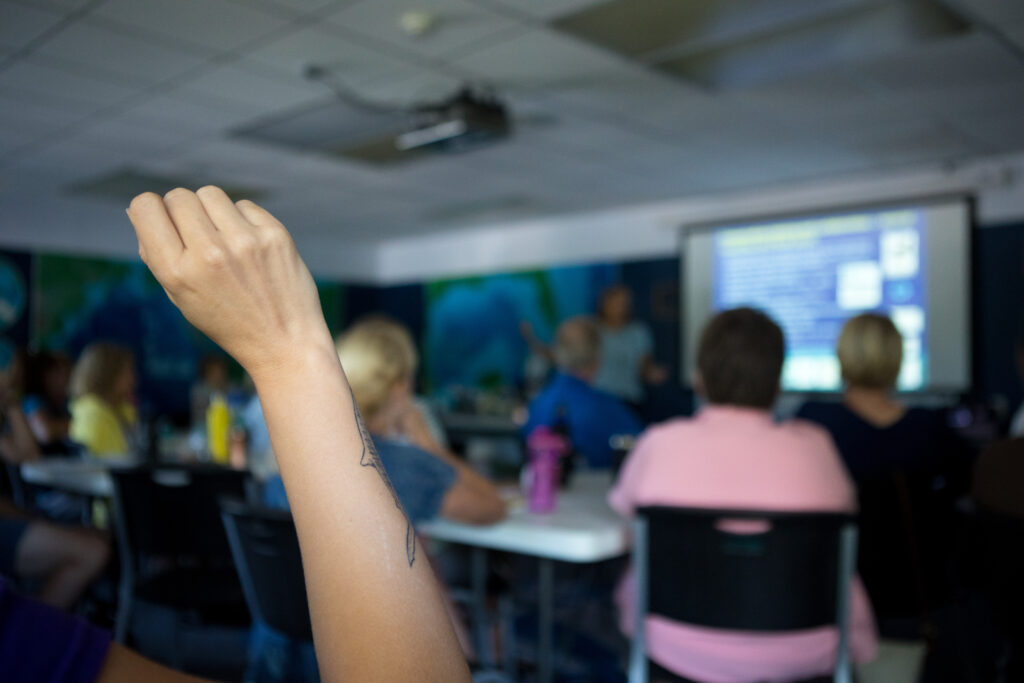
Marine Science 101 Self-paced Course via Google Classroom We welcome you to explore the world of marine science through this engaging series of online, self-paced lessons recorded by a Mote education professional....
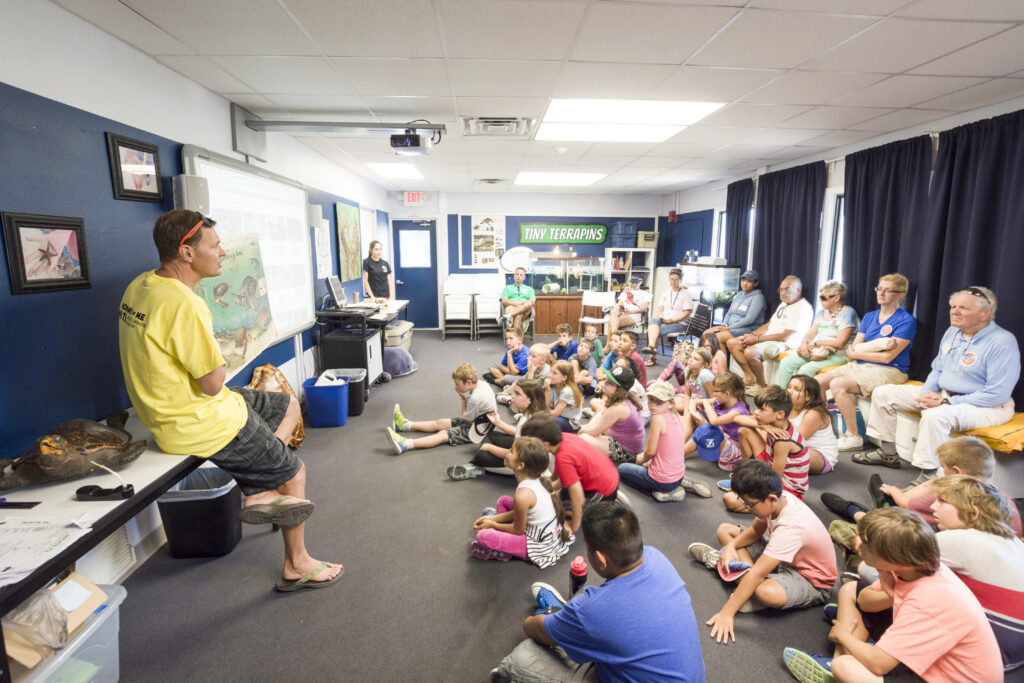
Mote Educators bring fun, inquiry-based and hands-on learning experiences to your school. Using relevant, real time data and information, we dive into marine science with your students, helping them better understand science concepts...
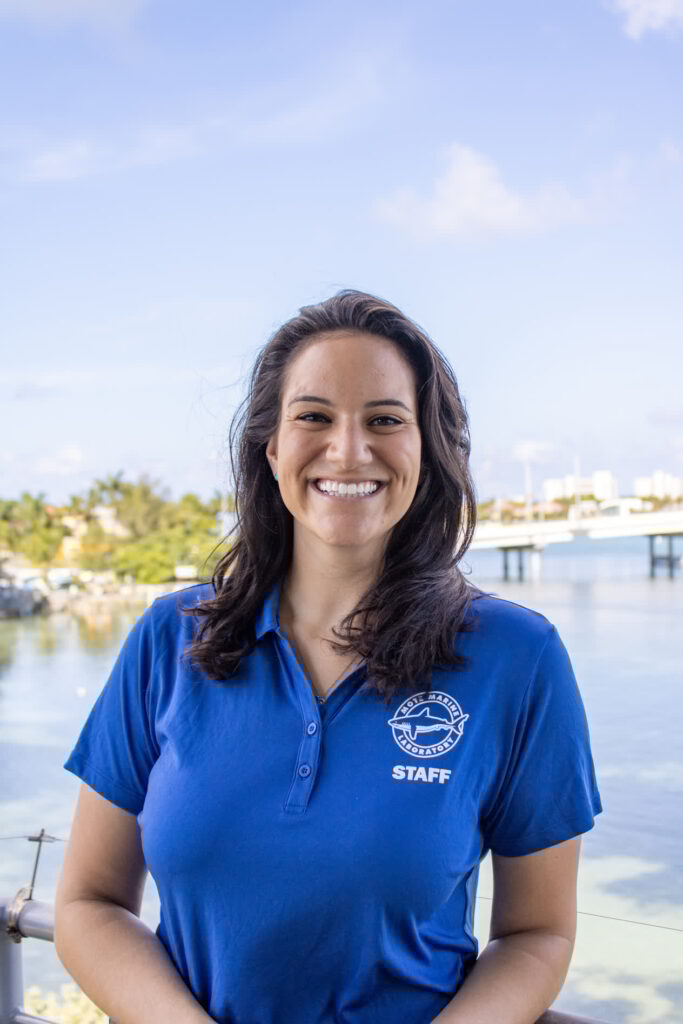
Devin, a South Jersey native, joined the Mote Marine Laboratory staff in 2016 after completing internships with Mote’s Environmental Health and Phytoplankton Ecology Programs. Her research interests...
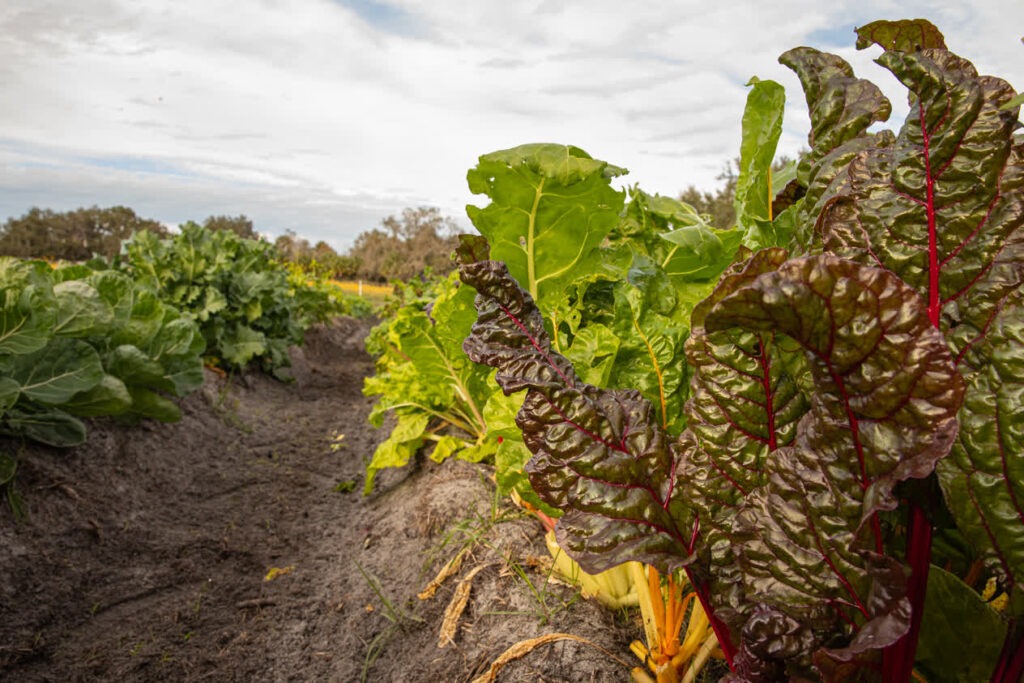
Mote Marine Laboratory & Aquarium is proud to announce the Beginning Farmer Education Program in partnership with UF/IFAS Extension Sarasota County with the goal of creating the future Florida workforce in food, sustainable farming,...
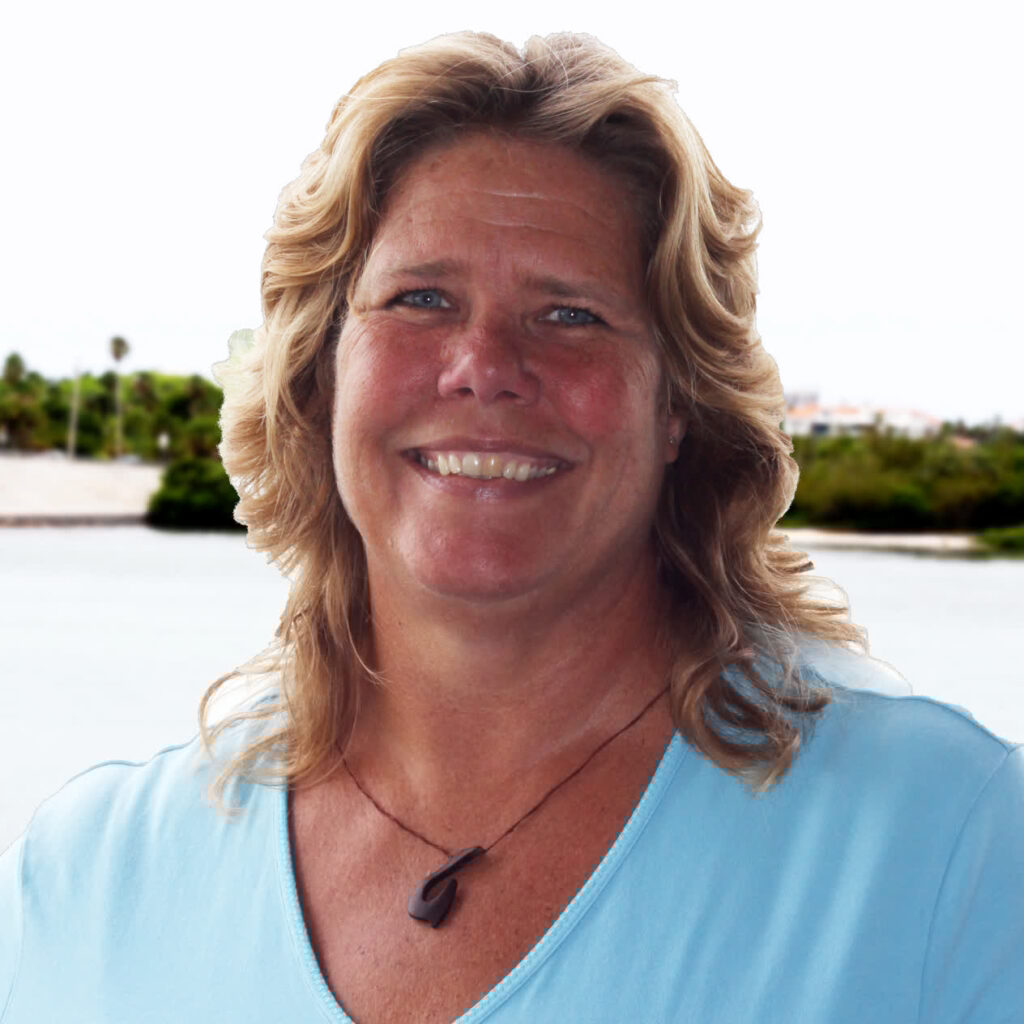
Camia came to Mote in 2005 after a stint in the Peace Corps and several years working in the medical field. She is Field Coordinator for the Chemical and Physical Ecology Department and organizes and oversees all sampling. She is...
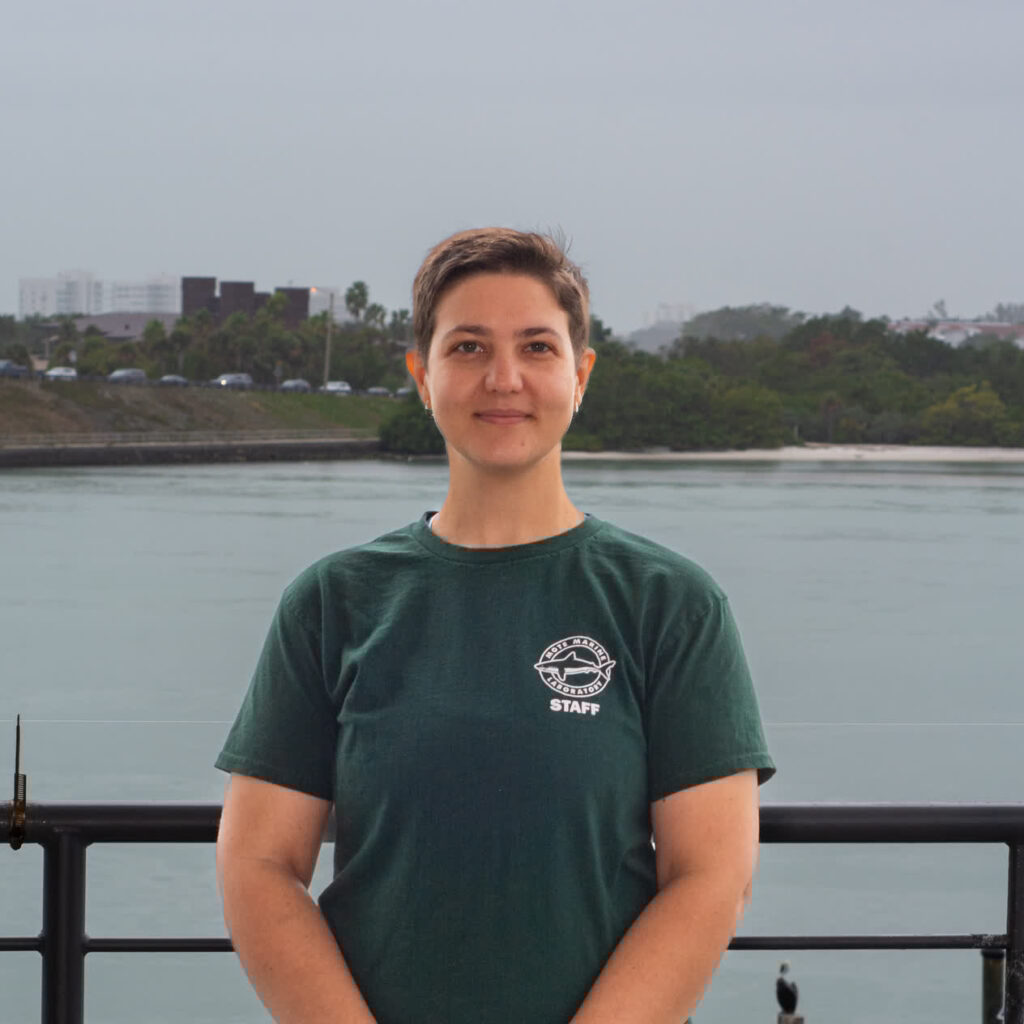
Kathleen joined the Chemical & Physical Ecology team in 2023 as a Staff Chemist after working in Aquarium Husbandry and Environmental Education in Georgia and New York. They participate in red tide mitigation experiments, monthly...
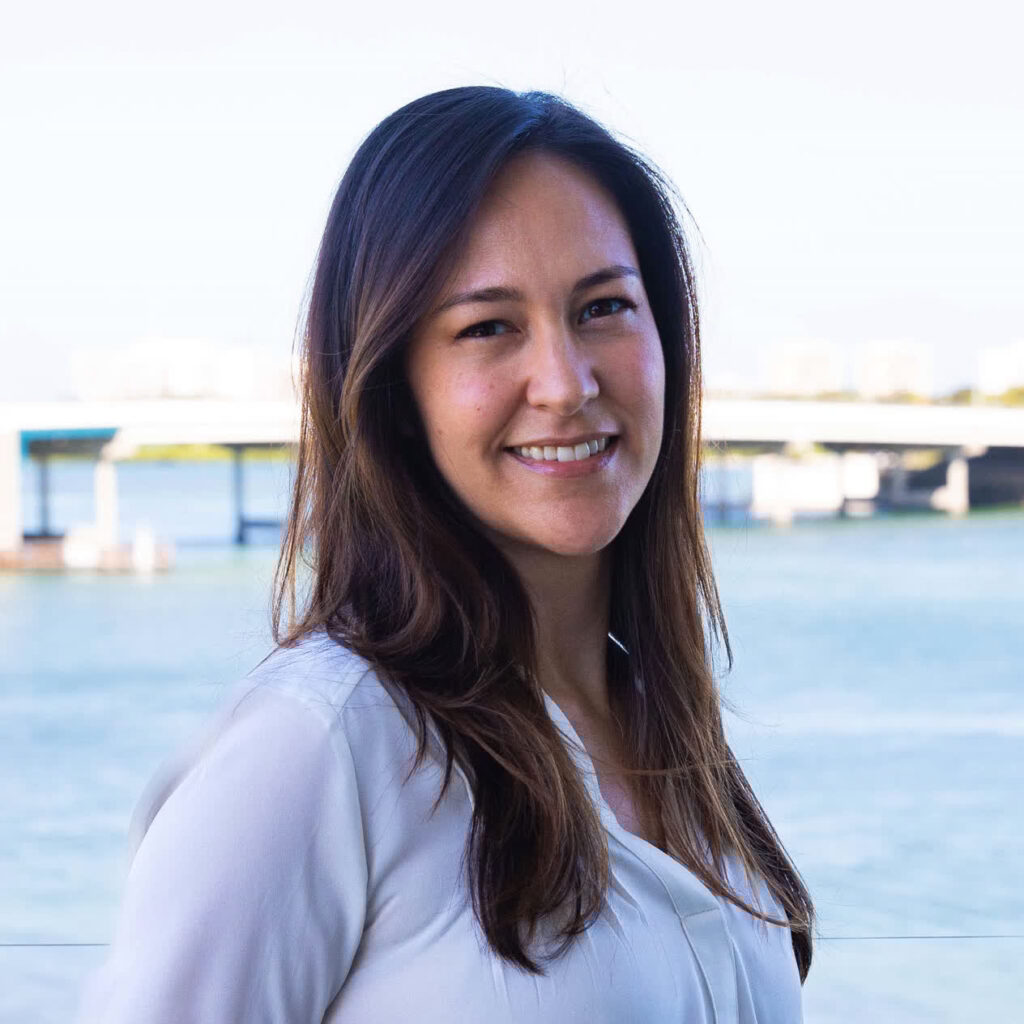
Dr. Toyoda joined the Ecotoxicology research program at Mote in 2022 after completing her Ph.D. in Pharmacology & Toxicology at the University of Louisville. Her graduate work sought to elucidate the molecular mechanisms of...
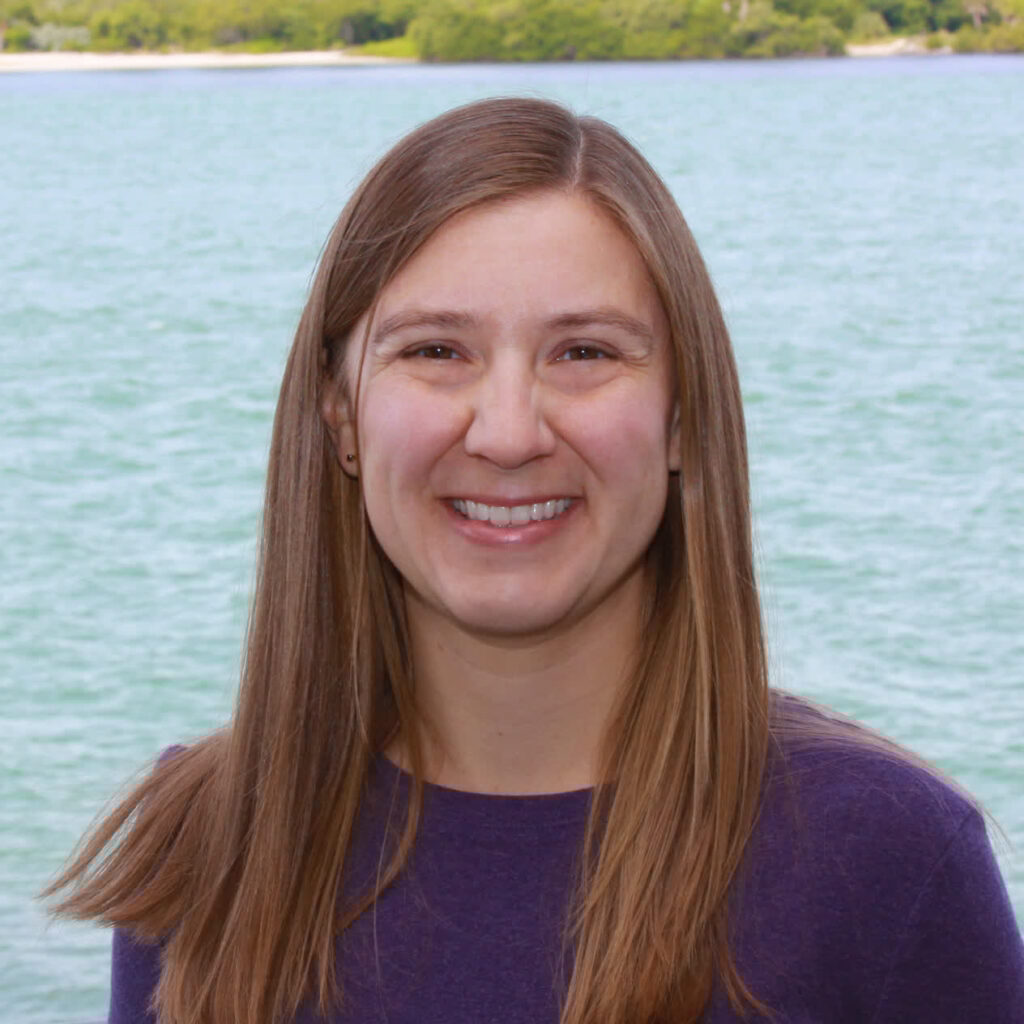
Susan participates in all of the research and contract water quality and monitoring projects in the Chemical and Physical Ecology department, including the Red Tide project and the continuous monitoring of Sarasota Bay. Susan analyzes...
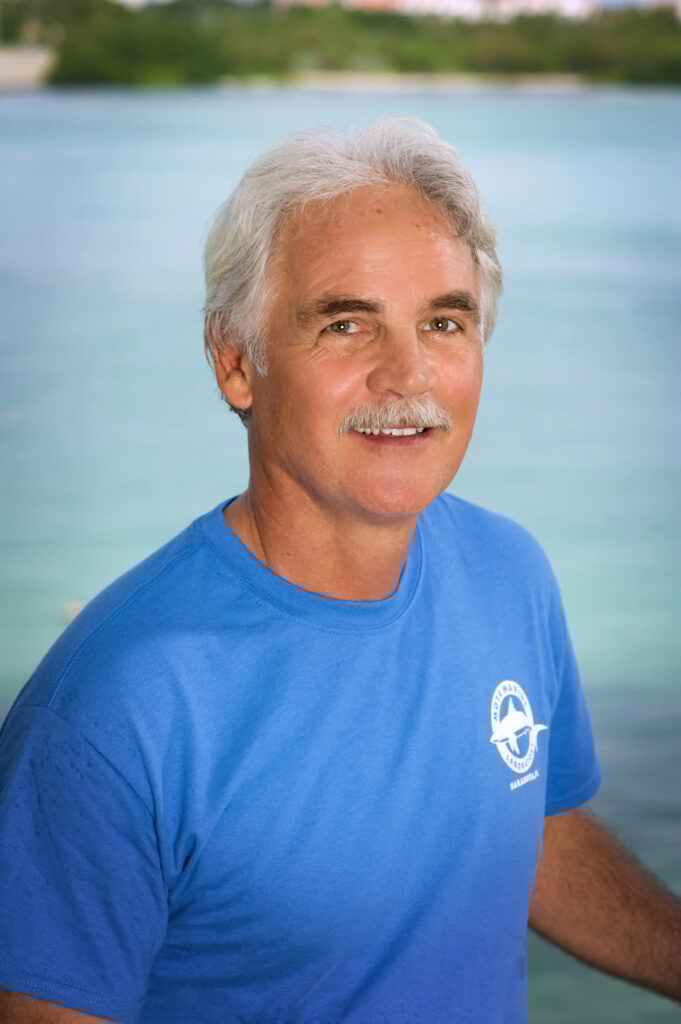
Mr. Culter joined Mote Marine Laboratory in 1979 to develop a Benthic Ecology Program specializing in marine/estuarine ecology and environmental assessment with emphasis on benthic habitats and invertebrate...
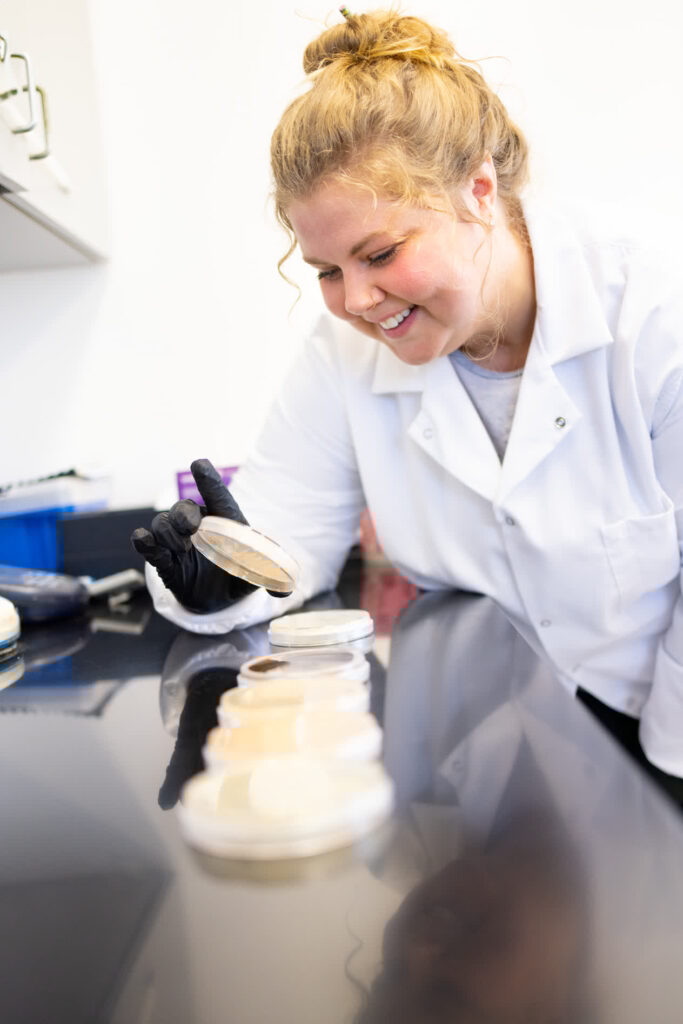
The Marine Microbiology Program studies microscopic living things (called microorganisms or microbes), their roles in the marine environment and their ability to produce natural products that can benefit marine animal and human health.
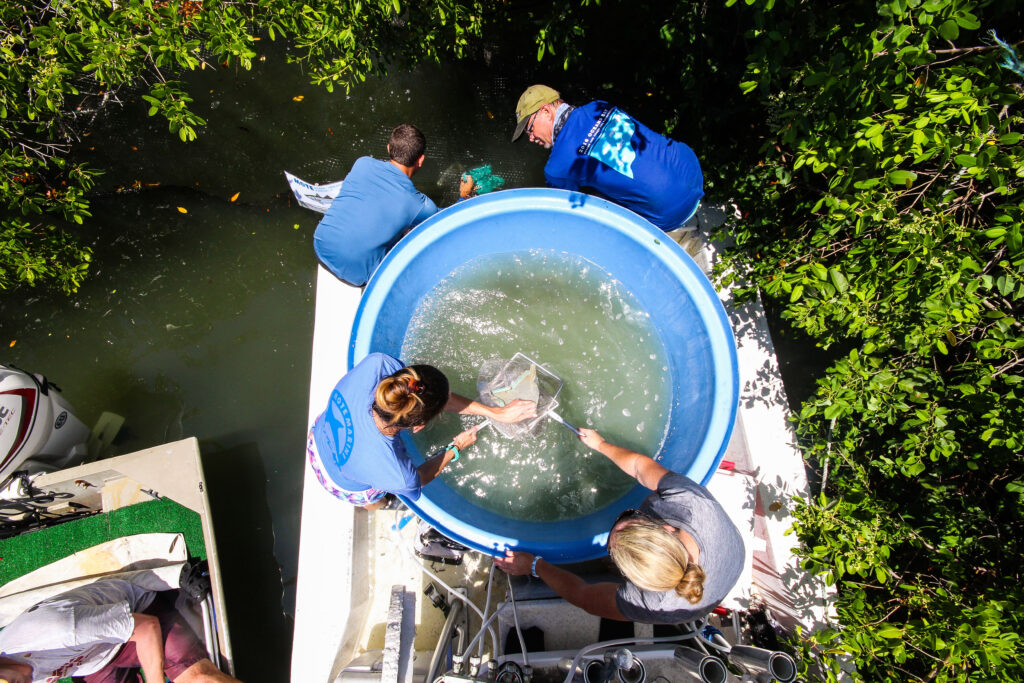
https://youtu.be/oiPV5PxSgnk The mission of the Marine & Freshwater Aquaculture Research Program is to develop innovative technologies and systems to support sustainable aquaculture...
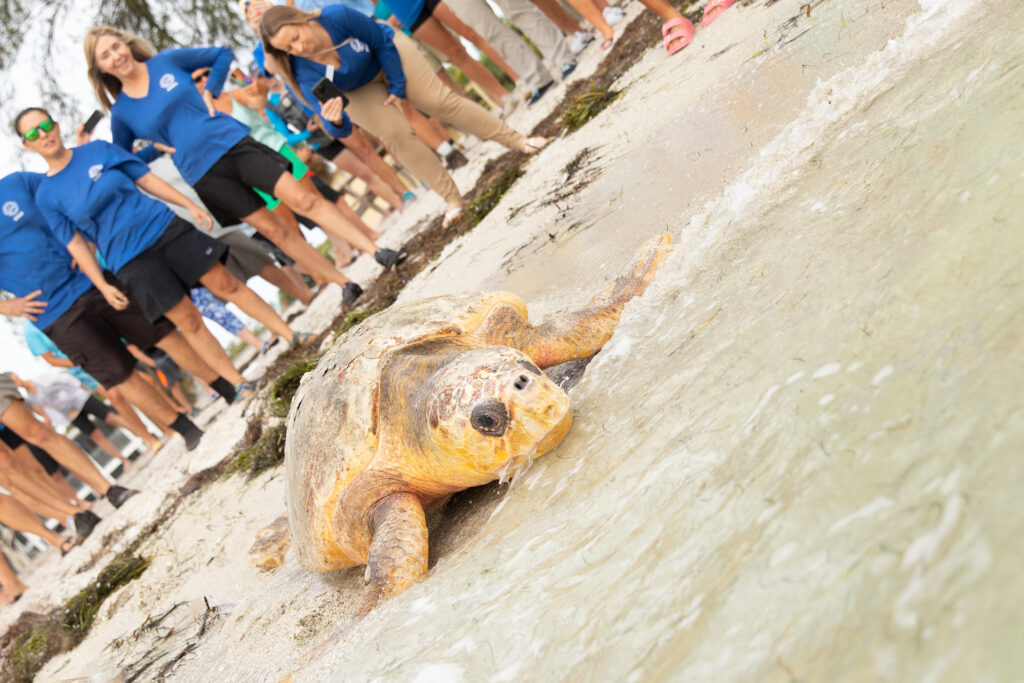
SEARCH FOR SPECIFIC ANIMAL PATIENTS Mote's Sea Turtle Rehabilitation Hospital provides state-of-the-art critical care and chronic...
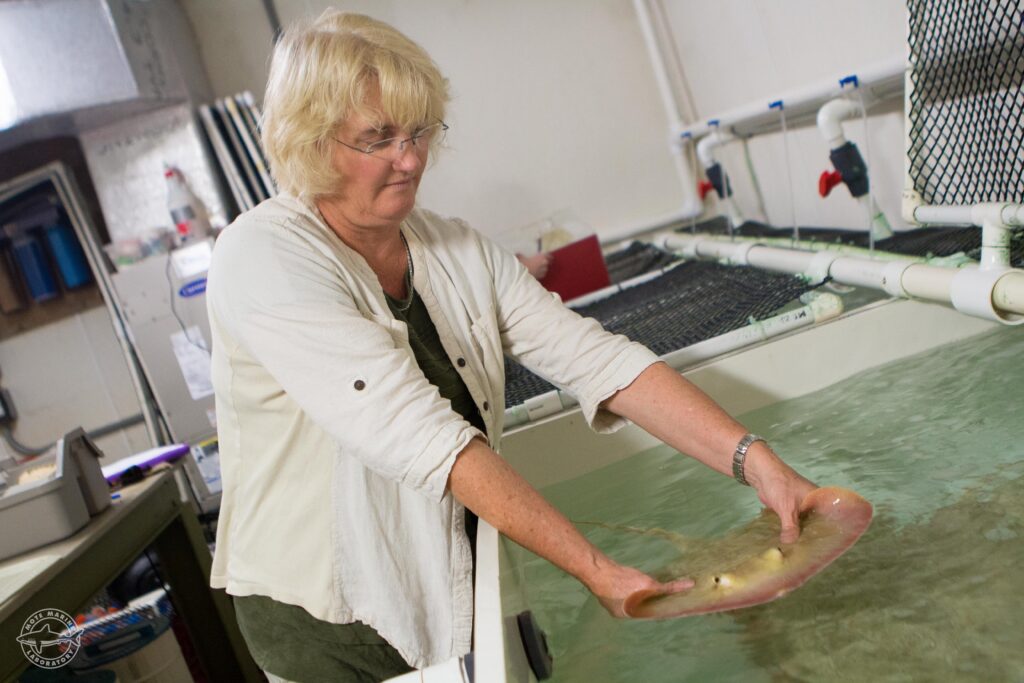
Research in the Marine Immunology Program focuses on basic and applied research on the health and immune systems of marine vertebrates, including cartilaginous fishes (sharks, skates, and rays), Florida manatees, and sea turtles. Basic...
Benthic ecology is the study of organisms that make up bottom communities (sediments, seagrass communities and rock outcrops) in lakes, streams, estuaries and oceans, to determine environmental health and conduct environmental impact...
The Phytoplankton Ecology program studies the ocean's phytoplankton community, with an emphasis on the West Florida Shelf in the Gulf of Mexico. Our staff focuses on the biology and ecology of phytoplankton, both as individual species...
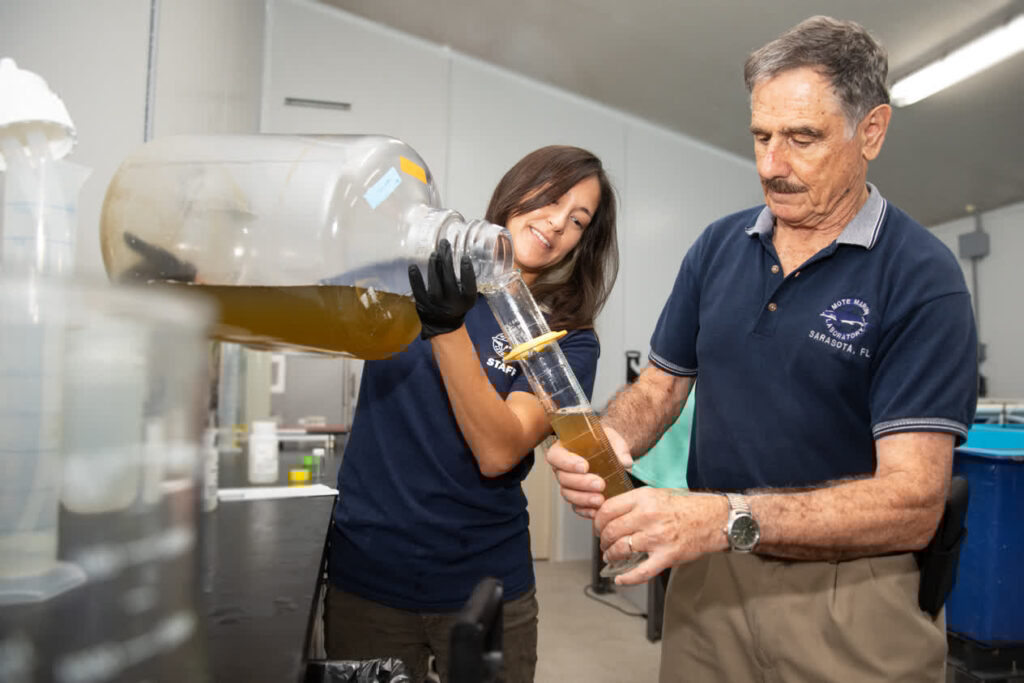
The mission of the Ecotoxicology Research Program is to investigate the source, fate and effects of toxic substances in the environment, including natural biotoxins (harmful...
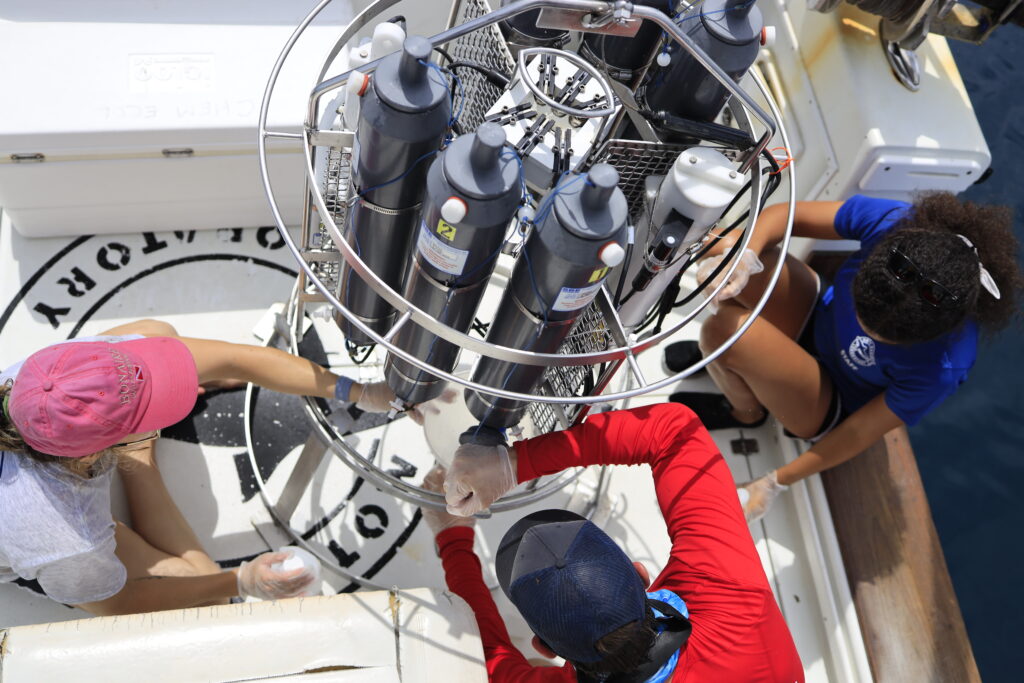
The Chemical & Physical Ecology Program addresses both research and applied science questions on the impacts and interactions of nutrients (nitrogen, phosphorus, and silica) and physical parameters (salinity, light) in riverine,...